Diesel vs gas cremators for funeral homes
How overseas buyers choose light diesel or natural gas cremators — autonomy, permits, dual-fuel options, and what to put on the RFQ.
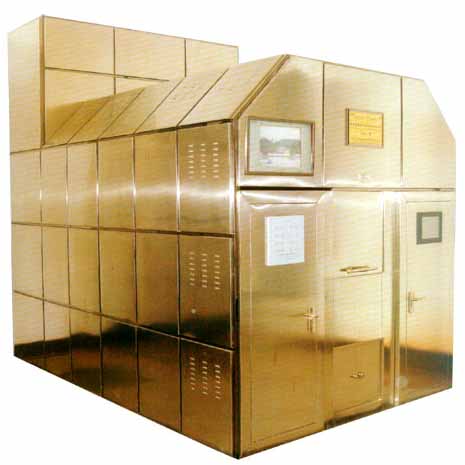
Diesel vs gas cremators for funeral homes
Most export inquiries ask whether a diesel cremator or gas cremator is the right default. The answer depends on fuel logistics, environmental permits, and whether the hall already has piped gas.
When diesel wins
Light diesel is the default on many Nanrui OYJ and OYP lines because sites can store fuel on site and run through grid instability. African and inland Southeast Asian projects often start diesel-first for autonomy.
When gas is preferred
Piped natural gas can lower visible smoke complaints and simplify some local narratives around “clean fuel,” but it needs a reliable supply, meters, and safety clearances. Dual-fuel packages are specified per project when a plant wants diesel backup.
What to put on the RFQ
- Daily cremations and peak week duty
- Fuel available on site (diesel storage size / gas pressure)
- Stack height and local emission clauses
- Preference for ash-collection vs flat-bed throughput
Nanrui sizes human cremation equipment from the Jiangxi plant and quotes through the Hong Kong entity. Contact engineering with fuel constraints and hall drawings.